What Are Dental Crowns?
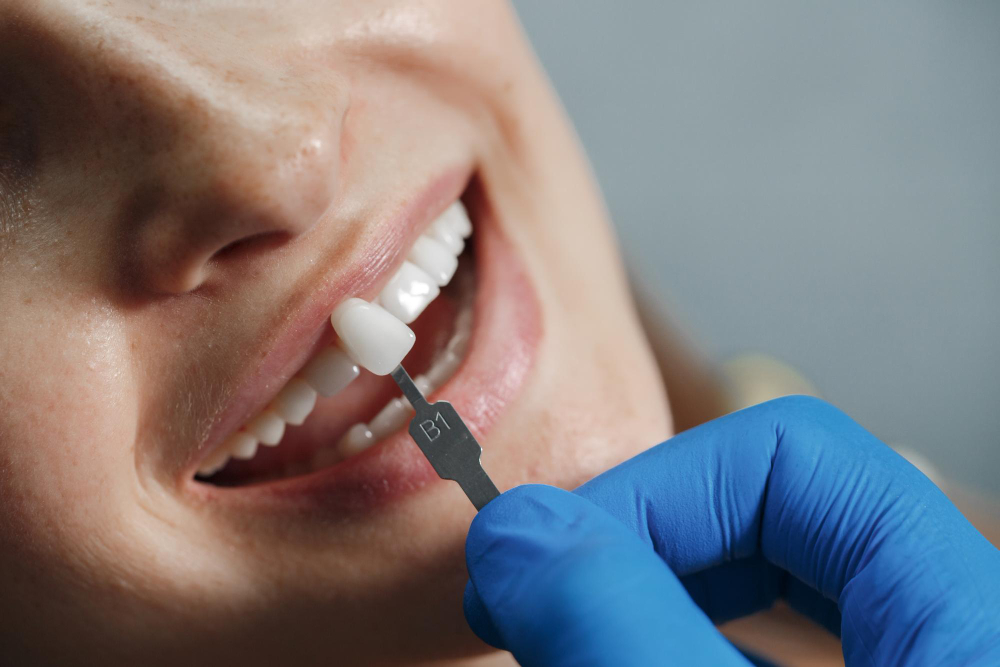
Dental crowns are tooth-shaped caps placed over damaged or weak teeth. They help restore the tooth’s shape, size, and strength. Often, dental crowns improve how a tooth looks and works. Dentists use crowns to protect teeth and keep your smile healthy. According to the American Dental Association, crowns are a common and safe dental treatment.
Common Reasons for Needing a Dental Crown
Many people need dental crowns for different reasons. For example, you may need a crown if you have:
Sometimes, your dentist may suggest a crown to protect a tooth after an injury. In other cases, crowns help cover dental implants. No matter the reason, dental crowns can help save your natural teeth.
Types of Dental Crowns
There are several types of dental crowns. Each type has its own benefits. Your dentist will help you choose the best one for your needs. Here are the most common types:
Each type of dental crown has pros and cons. For instance, metal crowns are strong but may not match your tooth color. On the other hand, porcelain crowns blend in well but may chip more easily.
The Dental Crown Procedure: Step-by-Step
Getting a dental crown usually takes two visits. Here is what you can expect:
Sometimes, new technology allows dentists to make and place crowns in one visit. However, most people will need two visits for the dental crown procedure.
Benefits and Potential Risks
Dental crowns offer many benefits. For example, they:
However, there are some risks to consider. Sometimes, you may feel sensitivity after getting a crown. Rarely, a crown may chip or come loose. Infections are uncommon but possible. If you notice pain or swelling, call your dentist right away. Most people have no problems with dental crowns when they follow aftercare tips.
Aftercare Tips and Maintenance
Proper care helps your dental crown last longer. Here are some simple aftercare tips:
With good care, dental crowns can last 5 to 15 years or even longer. If your crown feels loose or uncomfortable, see your dentist soon. Early care can prevent bigger problems.
Frequently Asked Questions About Dental Crowns
In summary, dental crowns are a safe and effective way to restore and protect your teeth. They offer many benefits and can last for years with proper care. If you have questions or concerns, always talk to your dentist.
Consult your dentist to find out if a dental crown is right for you.