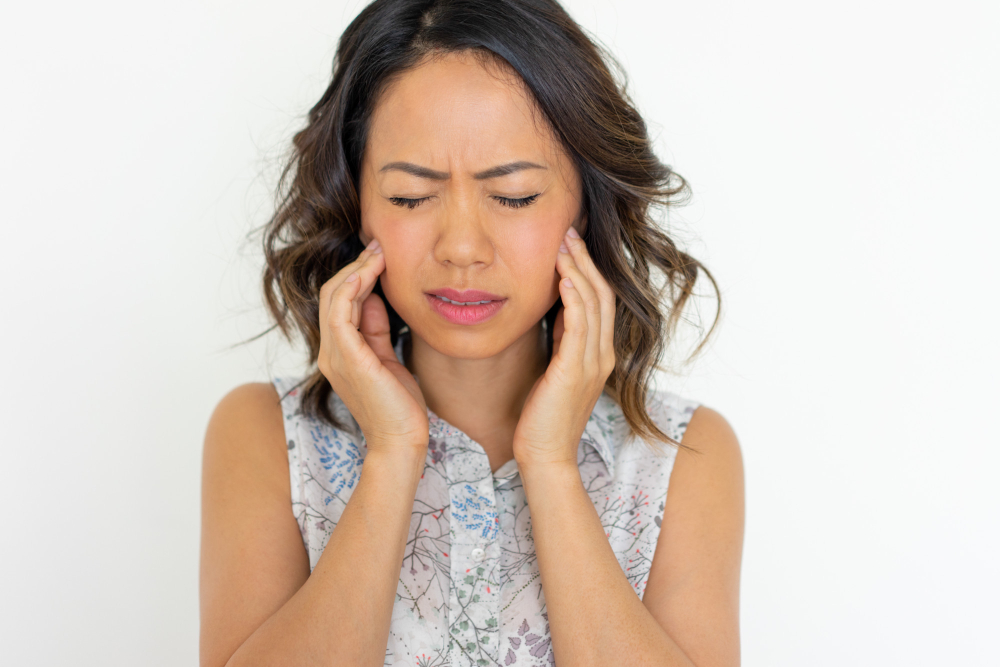
Jaw pain and teeth grinding, also called bruxism, are common problems. Many people wake up with sore jaws or notice their teeth feel sensitive. Jaw pain & teeth grinding (bruxism) can affect anyone, including children and adults. While some may not notice mild symptoms, others may feel pain or have trouble sleeping. Because this condition can harm your teeth and jaw, it is important to understand the causes and treatments. Early care can help prevent long-term damage and improve your quality of life.
What is Jaw Pain & Teeth Grinding (Bruxism)?
Bruxism is when you grind, clench, or gnash your teeth. This often happens at night, but it can also occur during the day. Jaw pain is a common result of bruxism. Over time, grinding can wear down your teeth and strain your jaw muscles. In some cases, it may even lead to headaches or ear pain. According to the American Dental Association, bruxism affects both children and adults, though many people may not realize they have it.
Common Symptoms
Many people do not notice they grind their teeth until symptoms appear. However, some signs are easy to spot. Watch for these common symptoms:
Sometimes, a partner may hear you grind your teeth at night. If you notice these symptoms, it is wise to talk to your dentist.
Causes and Risk Factors
Bruxism can have many causes. Often, stress or anxiety plays a big role. But other factors can also increase your risk. For example, some people grind their teeth due to:
Children may also grind their teeth as their teeth grow in. However, most outgrow this habit over time.
How is Bruxism Diagnosed?
Diagnosing bruxism often starts with a dental exam. Your dentist will check for signs of wear on your teeth. They may also ask about your symptoms and sleep habits. Sometimes, your dentist may suggest a sleep study if they suspect a sleep disorder. X-rays can help rule out other jaw problems. Early diagnosis is key to preventing further damage and finding the right bruxism treatment options.
Treatment Options
There are many ways to treat jaw pain and teeth grinding. The best treatment depends on your symptoms and the cause. Common bruxism treatment options include:
Your dentist will help you choose the best plan. In many cases, a combination of treatments works best.
Lifestyle Tips and Prevention
Simple changes can help reduce teeth grinding and jaw pain. For example, you can:
With these steps, you may notice less jaw pain and better sleep. However, if symptoms continue, seek help from a dental specialist.
When to See a Dentist
If you have jaw pain, tooth damage, or think you grind your teeth, see a dentist soon. Early treatment can prevent serious problems. In addition, if you have trouble opening or closing your mouth, or if pain gets worse, do not wait. Your dentist can help you find the best way to stop teeth grinding at night and protect your smile.
Conclusion
Jaw pain and teeth grinding (bruxism) can affect your daily life and health. If you experience jaw pain or teeth grinding, consult a dental specialist for personalized advice. Early care can help you find relief and keep your teeth healthy.
Sources: American Dental Association, Centers for Disease Control and Prevention, PubMed