What Are Orthodontic Braces?
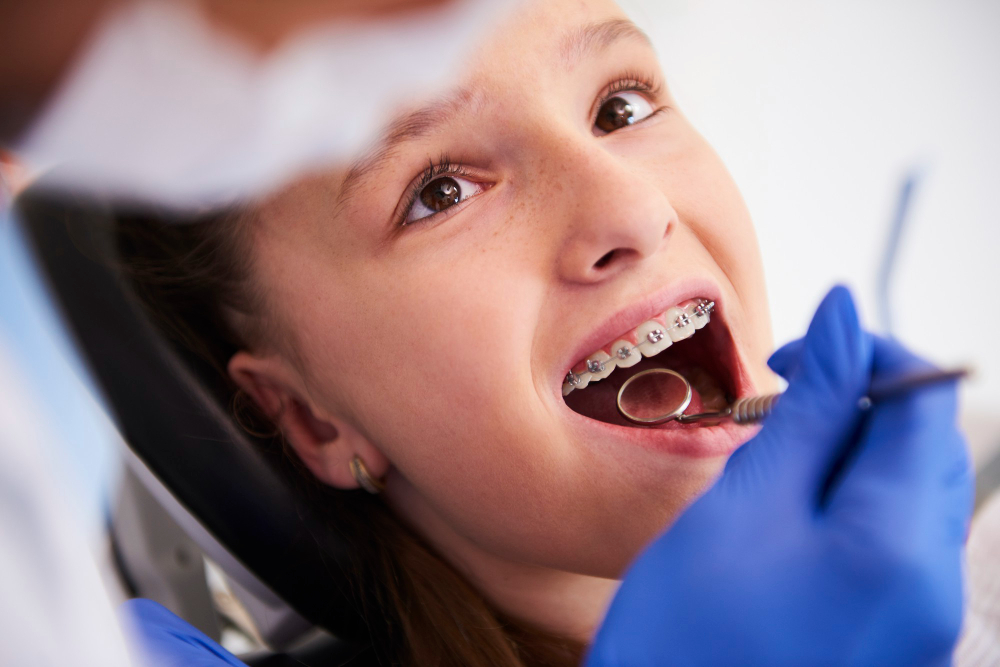
Orthodontic braces are dental devices that help straighten teeth. They also fix bite problems and improve your smile. Many people get braces to align their teeth and boost their confidence. In fact, braces use gentle pressure to move teeth into the right place over time. According to the American Association of Orthodontists, millions of people wear braces each year. Because braces are common, you may know someone who has them.
Who Needs Orthodontic Braces?
Not everyone needs orthodontic braces. However, some people benefit more than others. You may need braces if you have:
Sometimes, dentists recommend braces for children as young as seven. But adults can get braces too. If you notice any of these issues, talk to your dentist. They can check if braces are right for you.
Common Types of Braces
Today, you have several options for orthodontic braces. Each type has its own benefits. Here are the most common types:
Your orthodontist will help you choose the best type for your needs.
How to Prepare Before Getting Braces
Getting braces is a big step. But with the right preparation, you can feel ready. Here are some braces preparation tips:
Because braces need extra care, starting healthy habits early can help.
What to Expect During the Procedure
The process of getting orthodontic braces is simple. First, your orthodontist cleans your teeth. Next, they attach brackets to each tooth using a safe glue. Then, they connect the brackets with a wire. Sometimes, small rubber bands are added for extra support. The whole process usually takes one to two hours. Although you may feel some pressure, it should not hurt. Afterward, your teeth may feel sore for a few days. But this is normal and will go away soon.
Care Tips and Lifestyle Adjustments with Braces
Once you have braces, you need to take special care of your teeth. Here are some braces care tips:
Because braces can trap food, good oral hygiene is very important. With the right care, you can avoid problems like cavities or gum disease.
Potential Risks and Side Effects
Most people do well with orthodontic braces. However, there are some risks and side effects to know. These may include:
Although these issues are possible, your orthodontist will help you manage them. Regular checkups can catch problems early.
Frequently Asked Questions
Prevention and Oral Hygiene Tips
Good oral hygiene is key when you have orthodontic braces. Here are some tips to keep your teeth healthy:
Because clean teeth move more easily, these habits can help your treatment go smoothly.
Conclusion
Orthodontic braces can improve your smile and dental health. But before getting braces, it is important to know what to expect. With the right preparation and care, you can enjoy great results. For the best advice, consult a dental specialist before starting orthodontic treatment.